Romaine


Product 1: 

Romaine lettuce is the “king of crisp,” a perennial salad bowl favorite. Its long green leaves and sturdy, pale ribs make it the perfect lettuce for just about any combination of ingredients and dressings. Available year-round, it’s a real team player — its crunchy texture and mild, celery-like flavor with a hint of bitterness work well in combinations with other greens.

Originally called cos from the Arabic word for lettuce (still is, especially in Britain), romaine is believed to have originated on the Aegean island of Cos (or Kos) nearly 5,000 years ago. Romaine is actually the French word for this lettuce, named for the Romans who cultivated it both for food value and curative medicinal properties (it’s rumored to have saved Caesar Augustus from a severe illness).

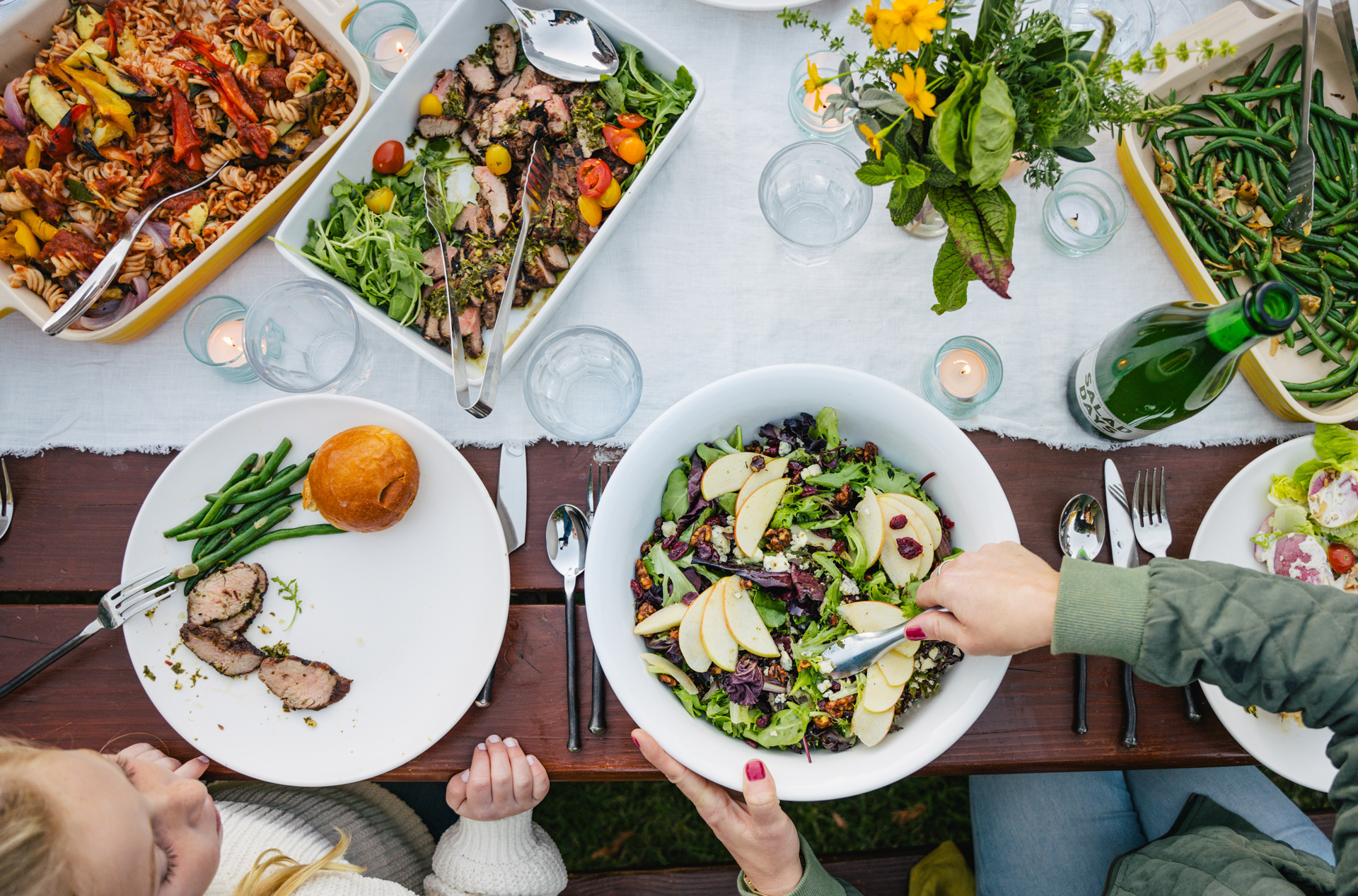
Never underestimate the power of a simple salad. With its clean, fresh flavor, romaine is the perfect ingredient, helping entrée-style salads come together in minutes with no cooking required. It’s robust enough to support delicious fruits and vegetables flawlessly, so capitalize on the season or any ingredients you like — the combination is sure to be delicious!
 

Why choose organic romaine?

  • Like all leafy greens, romaine lettuce can absorb many pesticides when it’s grown conventionally — in fact, lettuce is #14 on the Environmental Working Group's “Shopper’s Guide to Pesticides in Produce,” a list of produce that carries the most pesticide residues when grown conventionally. You can lower your dietary exposure to pesticides substantially by avoiding the most contaminated fruits and vegetables, and choosing organic for those items instead.
  • When you choose Earthbound Farm certified organic romaine, in a salad mix, or as leaves or hearts, you know it’s been raised without synthetic pesticides and fertilizers, using farming methods that regenerate the soil and protect the health of the land and the people who work on it.
  • WhatsOnMyFood.org from the Pesticide Action Network shows you searchable results for vegetables like lettuce and a wide range of other organic and conventional foods. It’s an easy-to-use and empowering tool for learning about pesticide residues and their health effects for all of us.
     

How to store romaine  

  • Pre-washed and trimmed or cut romaine in bags, clamshell containers and salad kits is highly perishable; always keep it refrigerated. After opening, store any leftover greens in their original bags or containers, tightly closed. Be sure to consume them by the “use date” on the package.
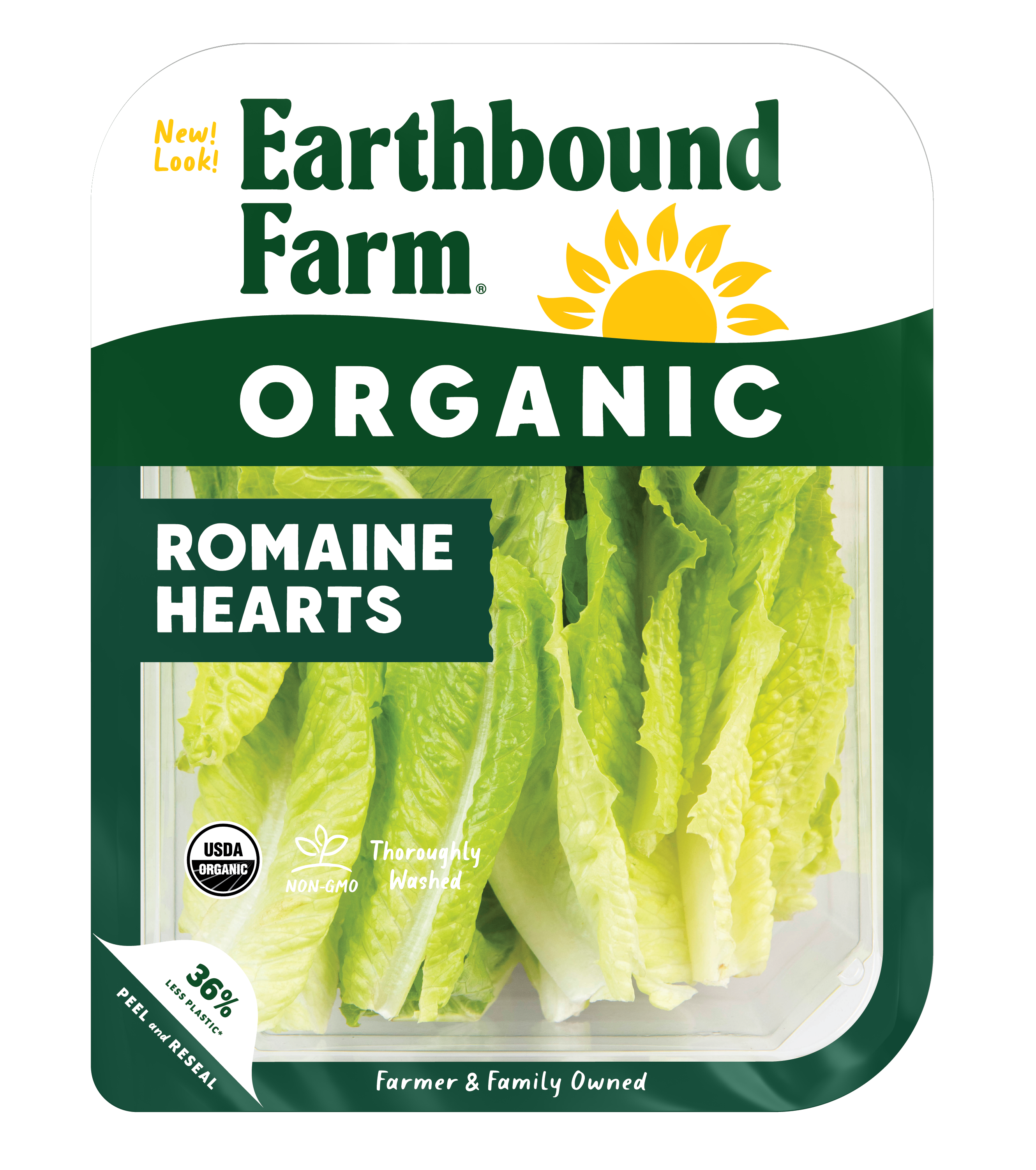
  • Our 3-count bag of organic Romaine Hearts is packed just as they're harvested in the field. The bag helps store and protect the lettuces — but they're not pre-washed, so be sure to wash them carefully right before use. Keep whole heads of lettuce refrigerated (32-36°F / 0-2°C), away from fruits (especially apples) to keep them from turning brown prematurely. Discard leaves that look slimy, discolored, wilted, or smell bad.
     

Tips for using romaine  

  • Romaine isn’t just for salads. Experiment with braising or grilling, or use it as a low-calorie, low-carb wrap for flavorful meat or veggie fillings.
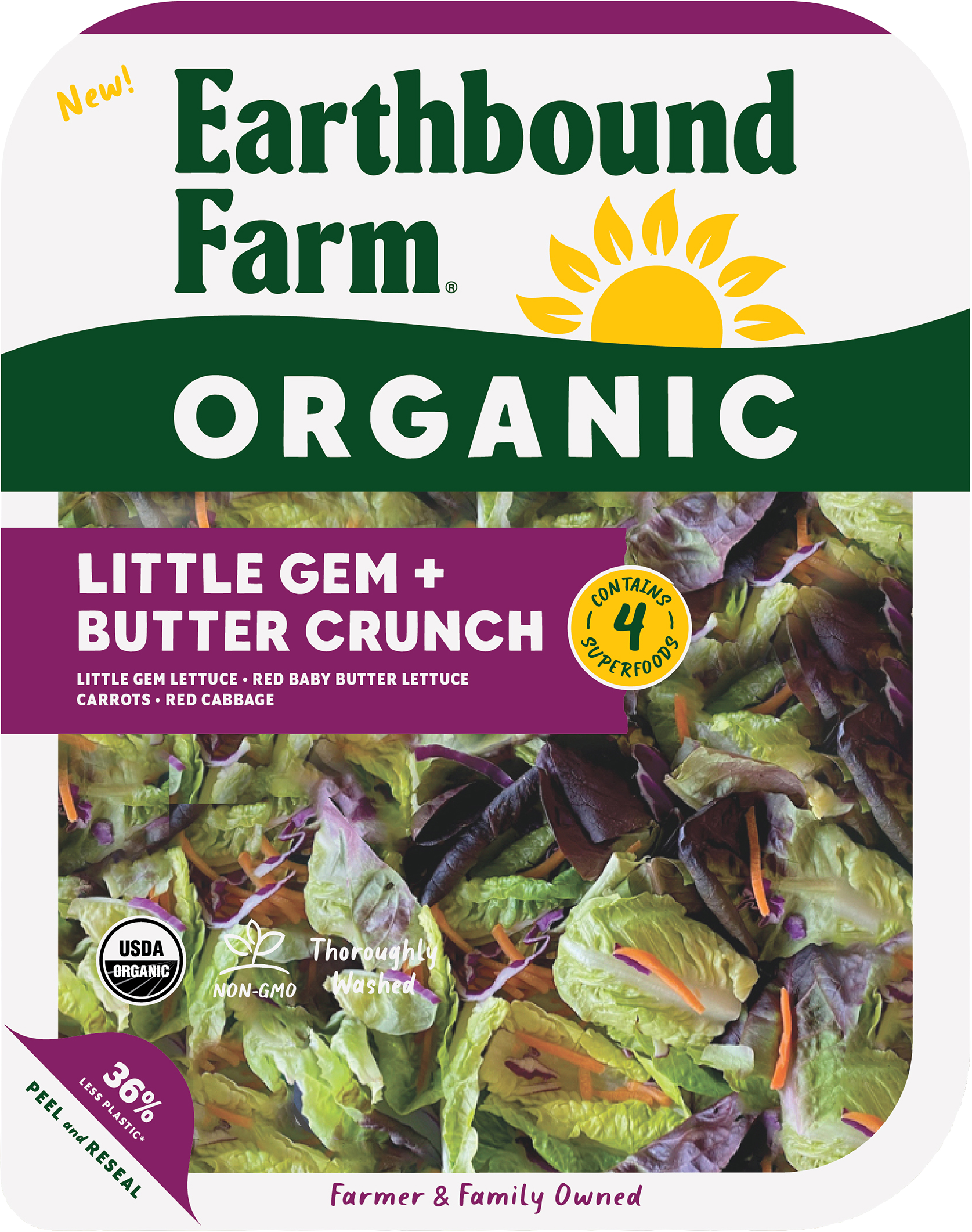
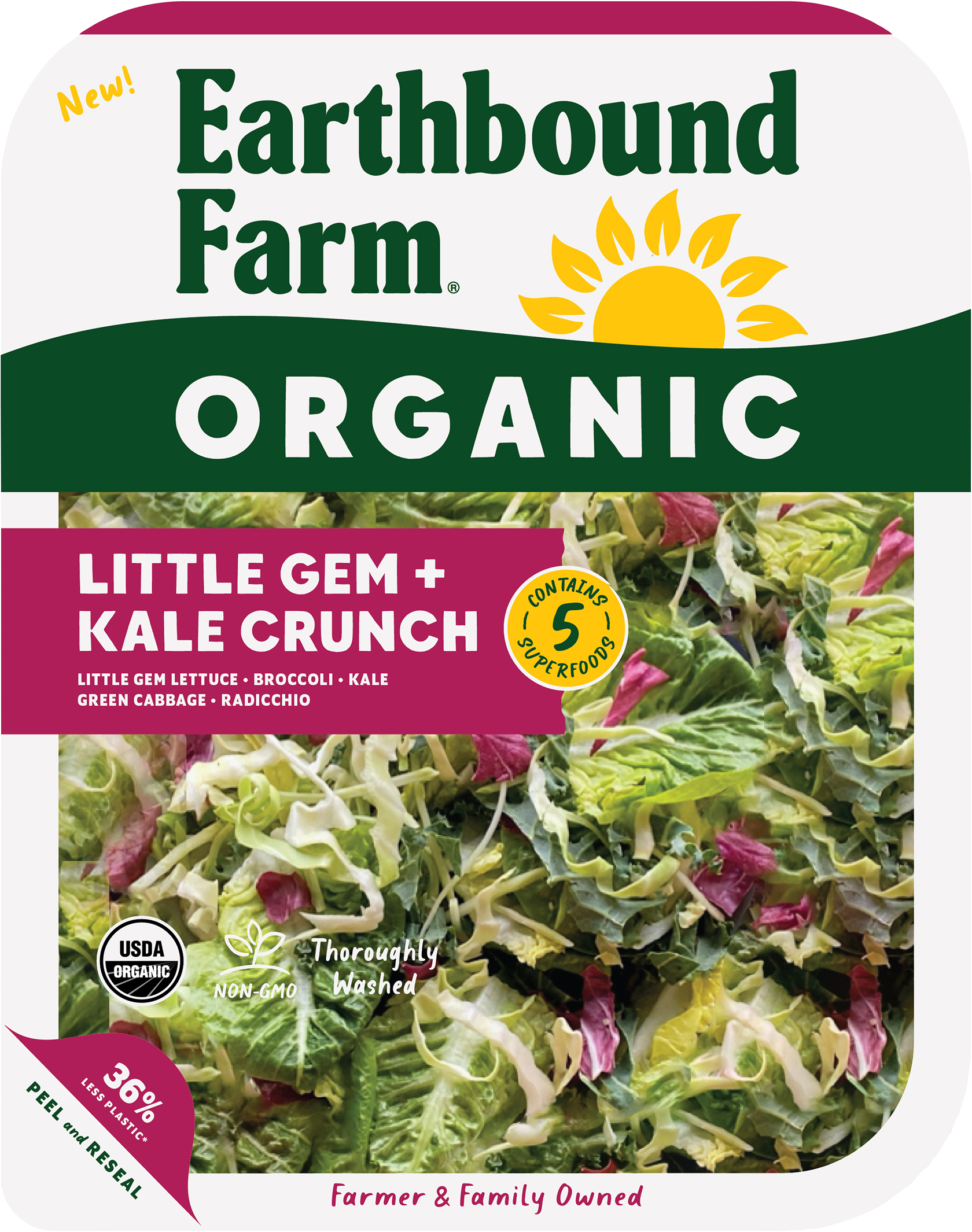
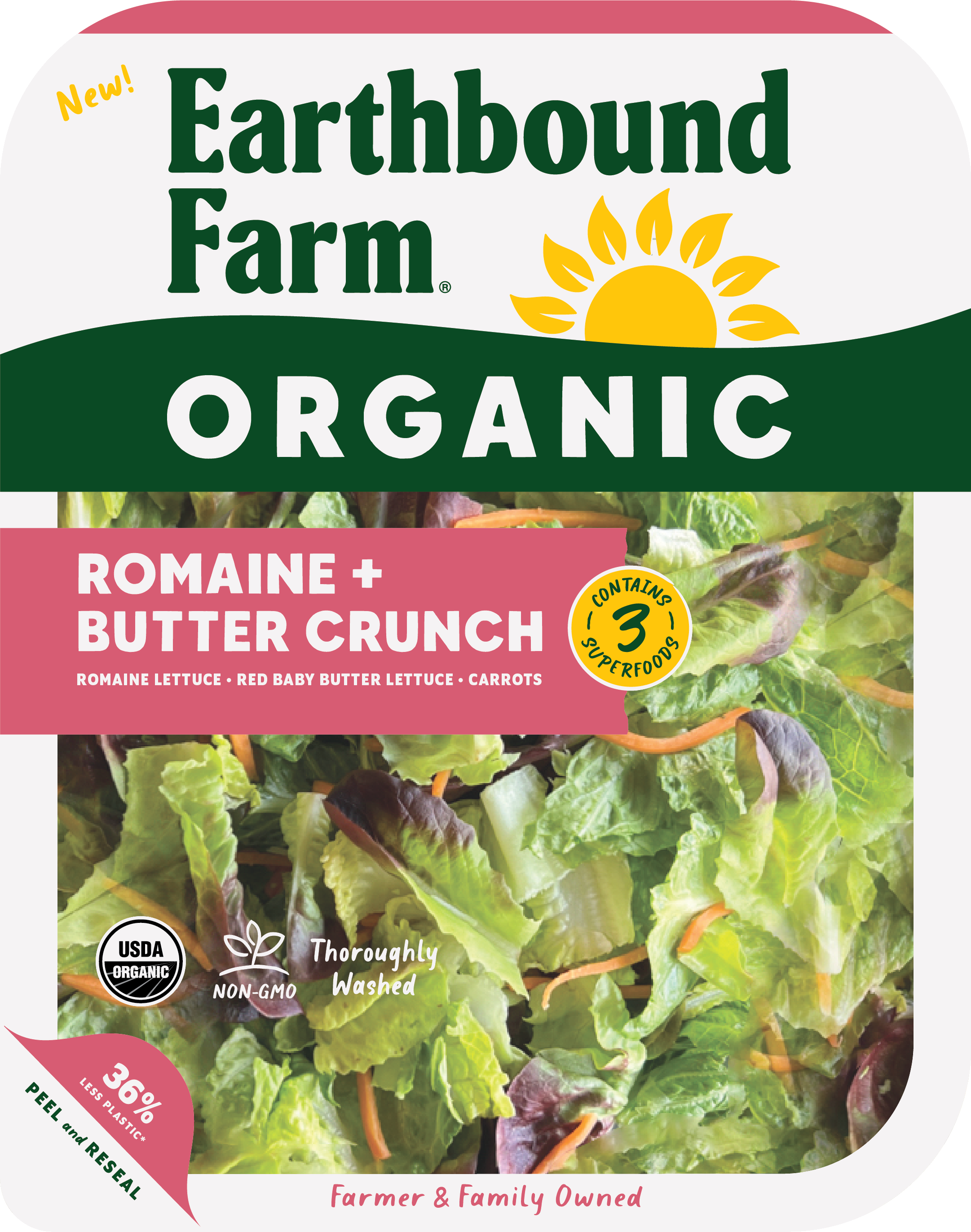
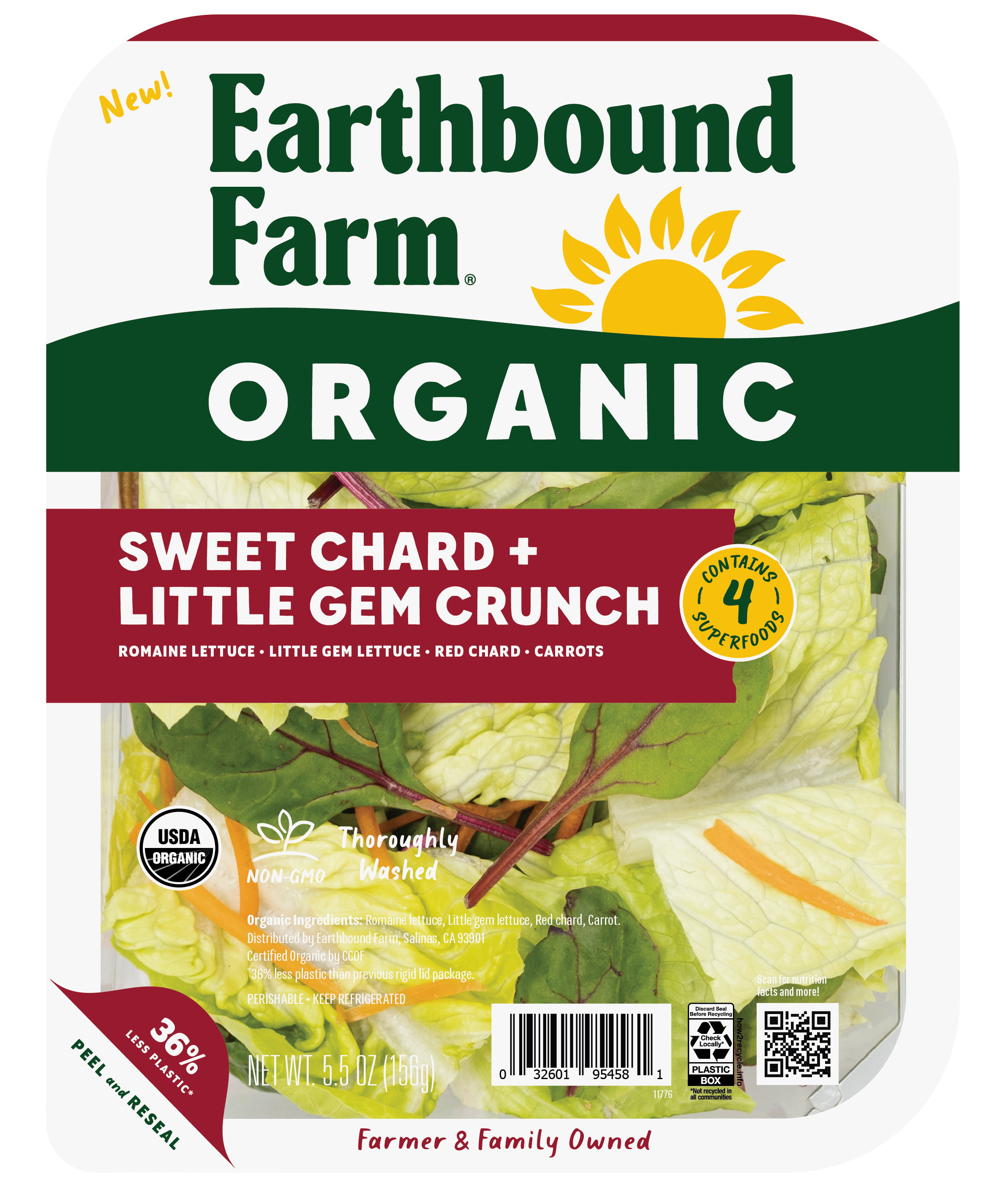
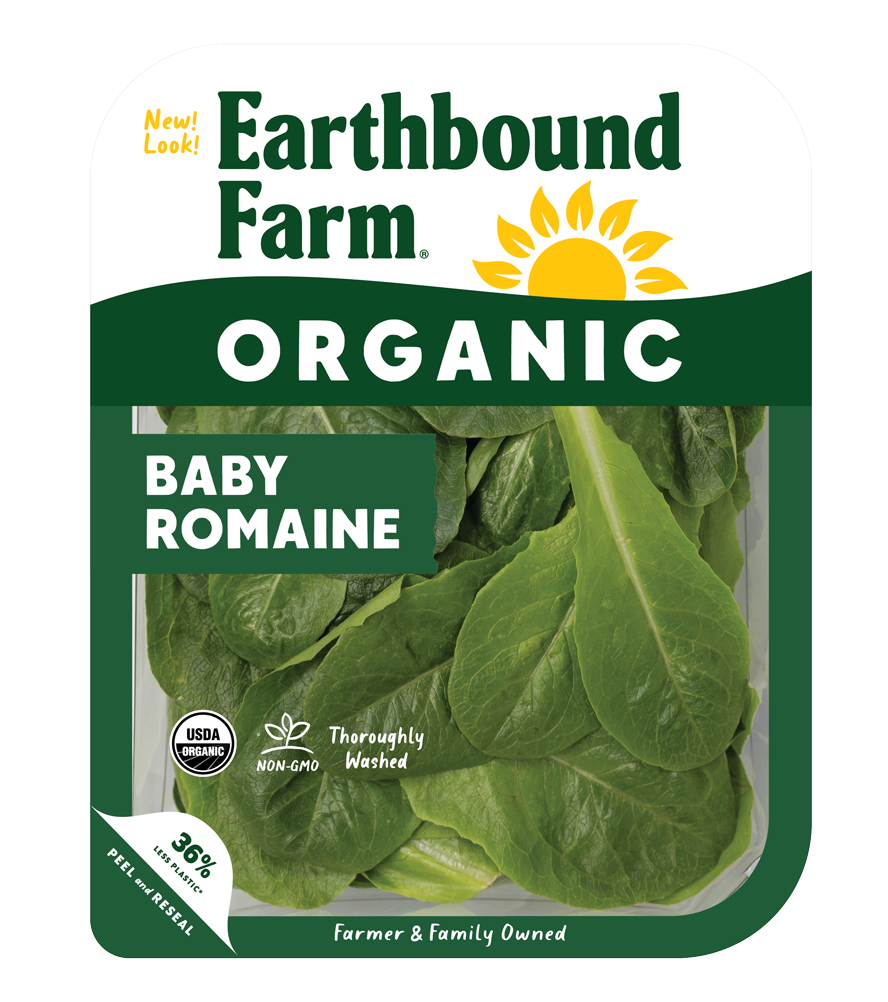
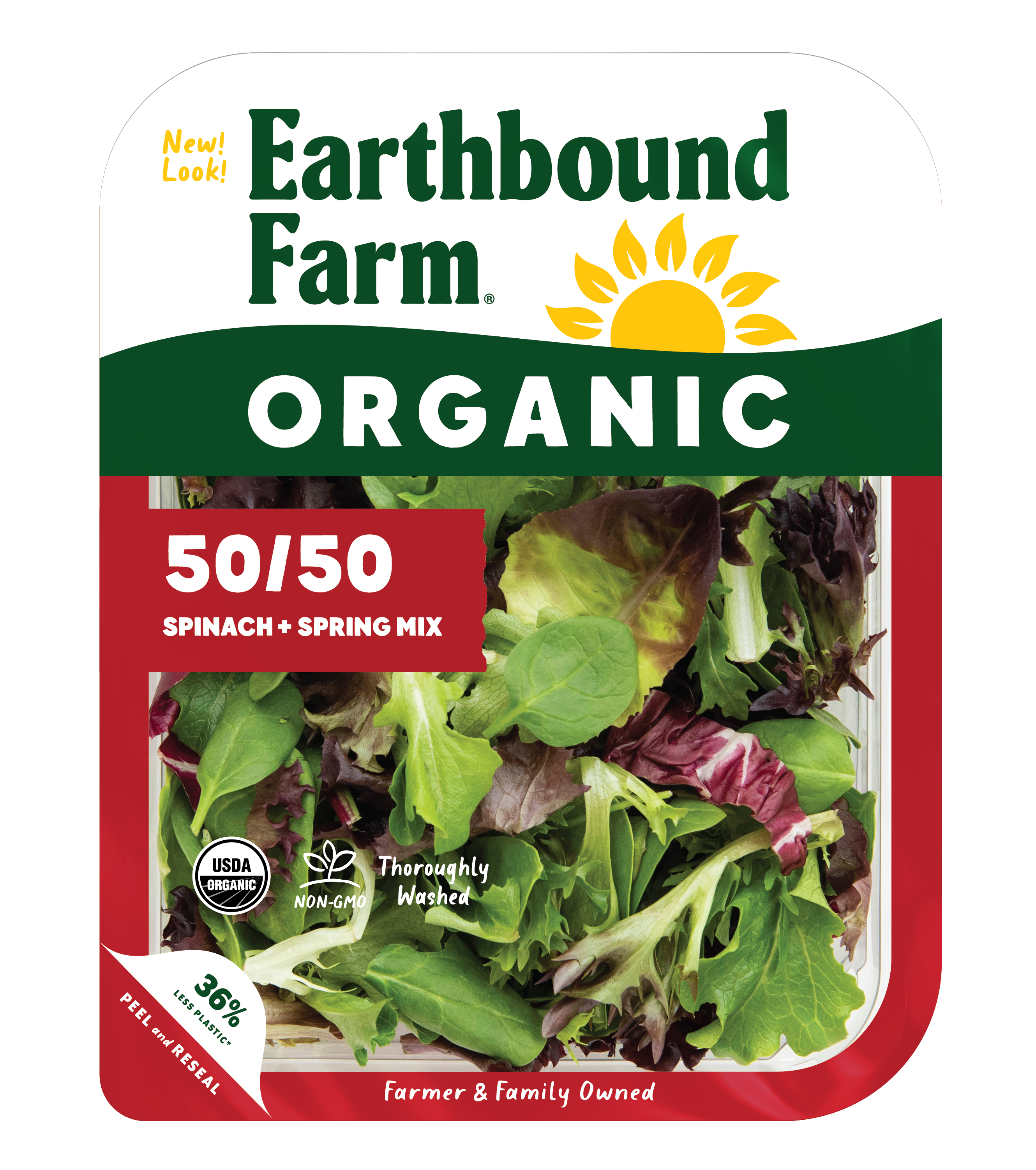
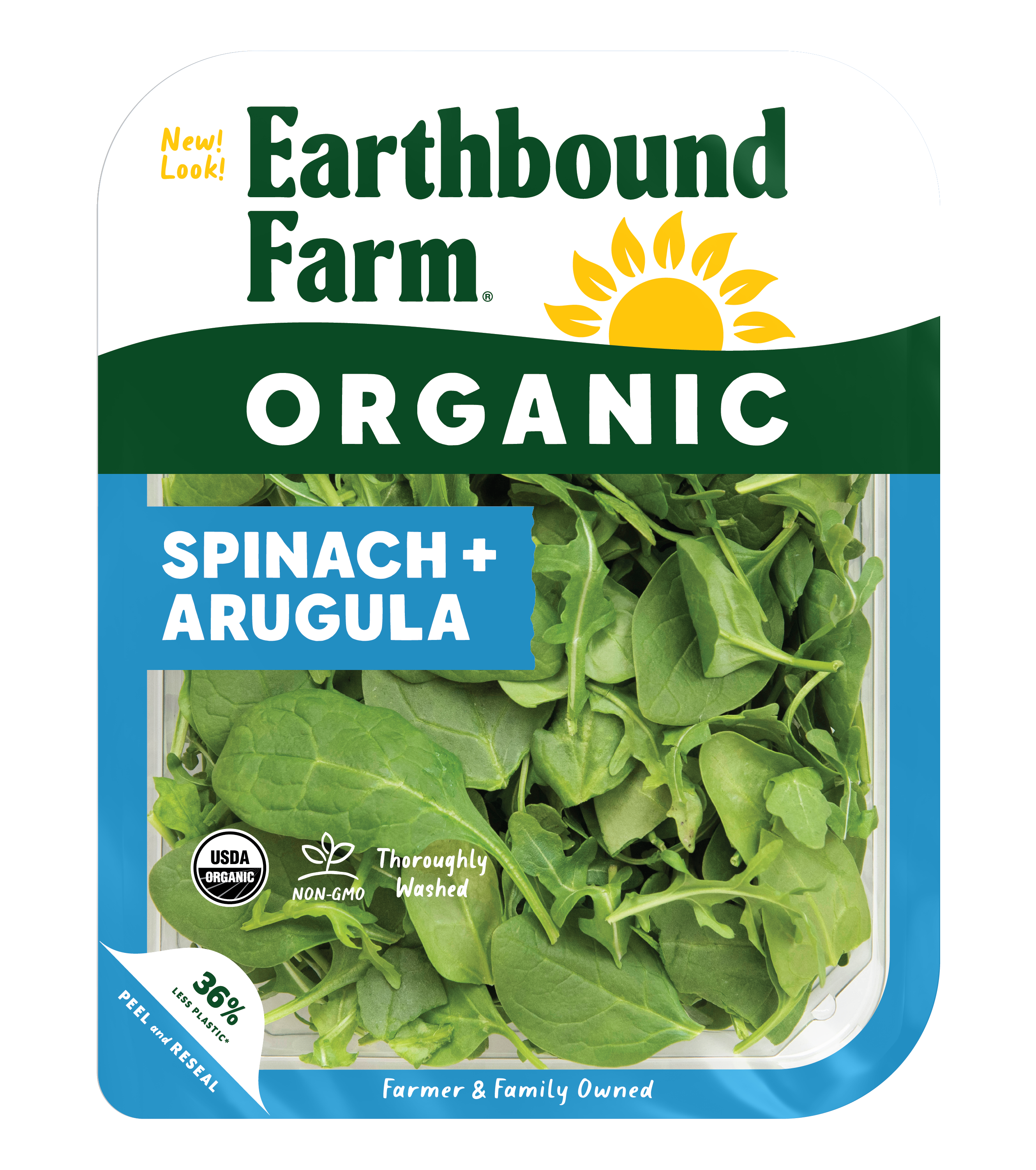
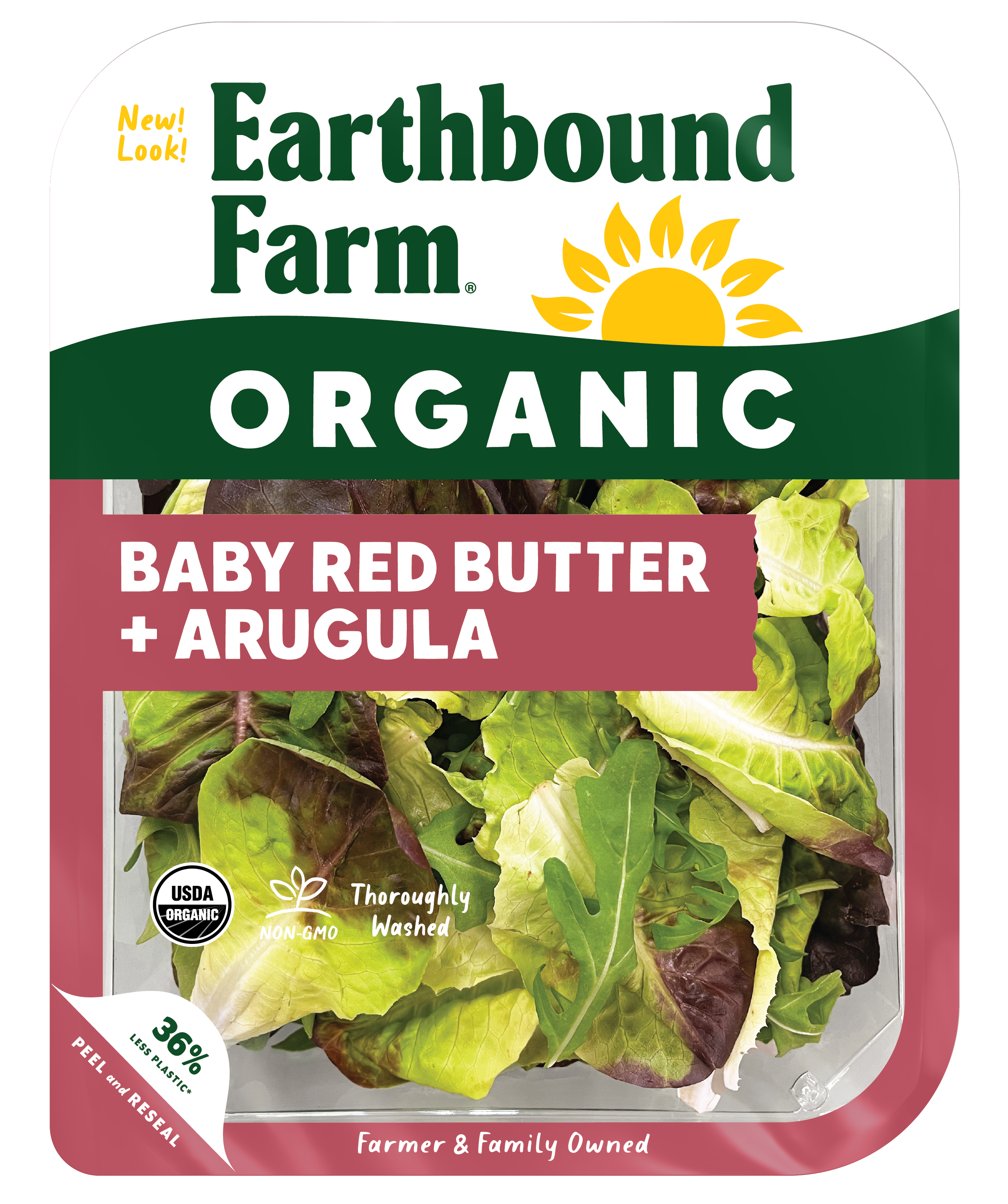
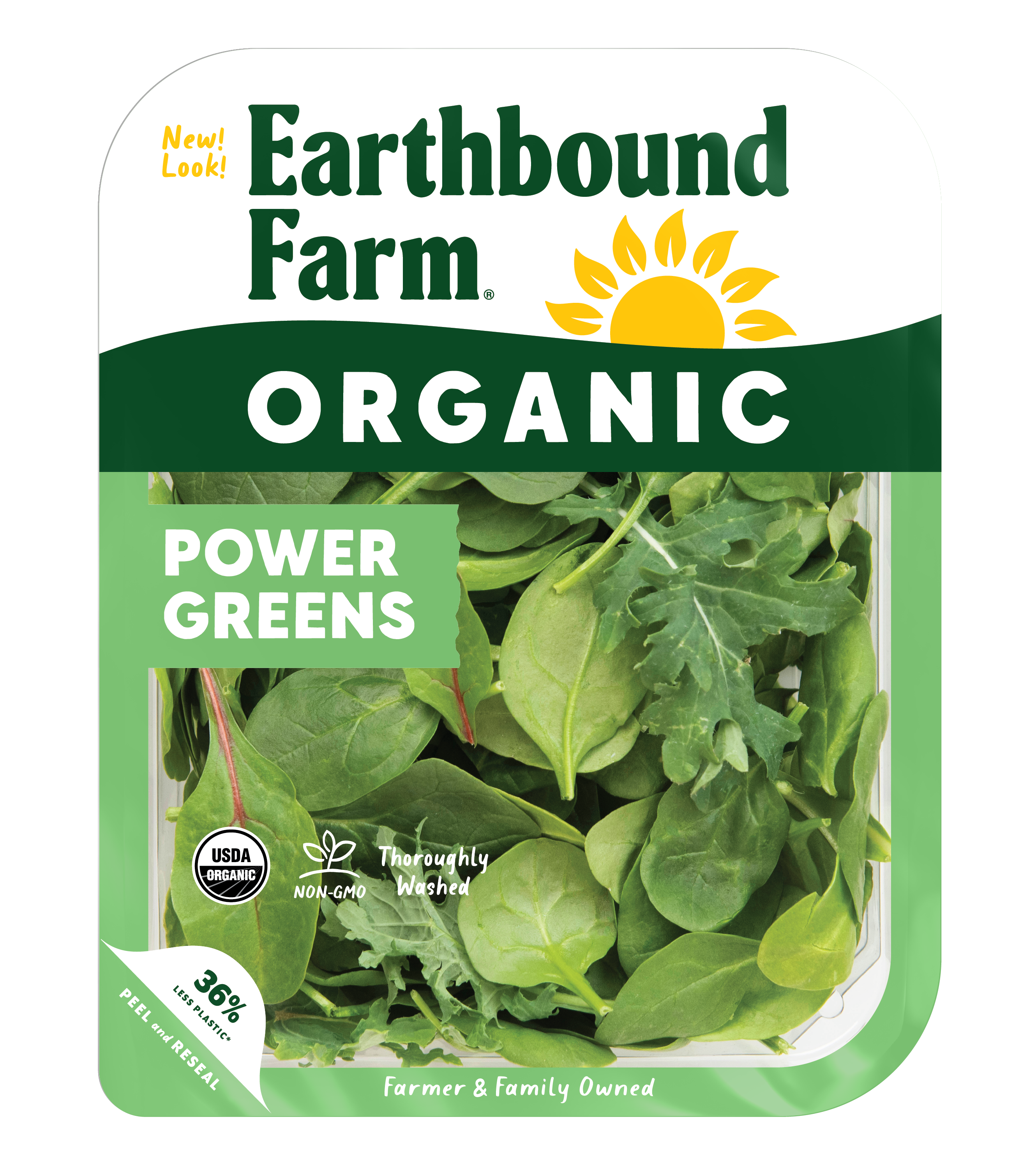
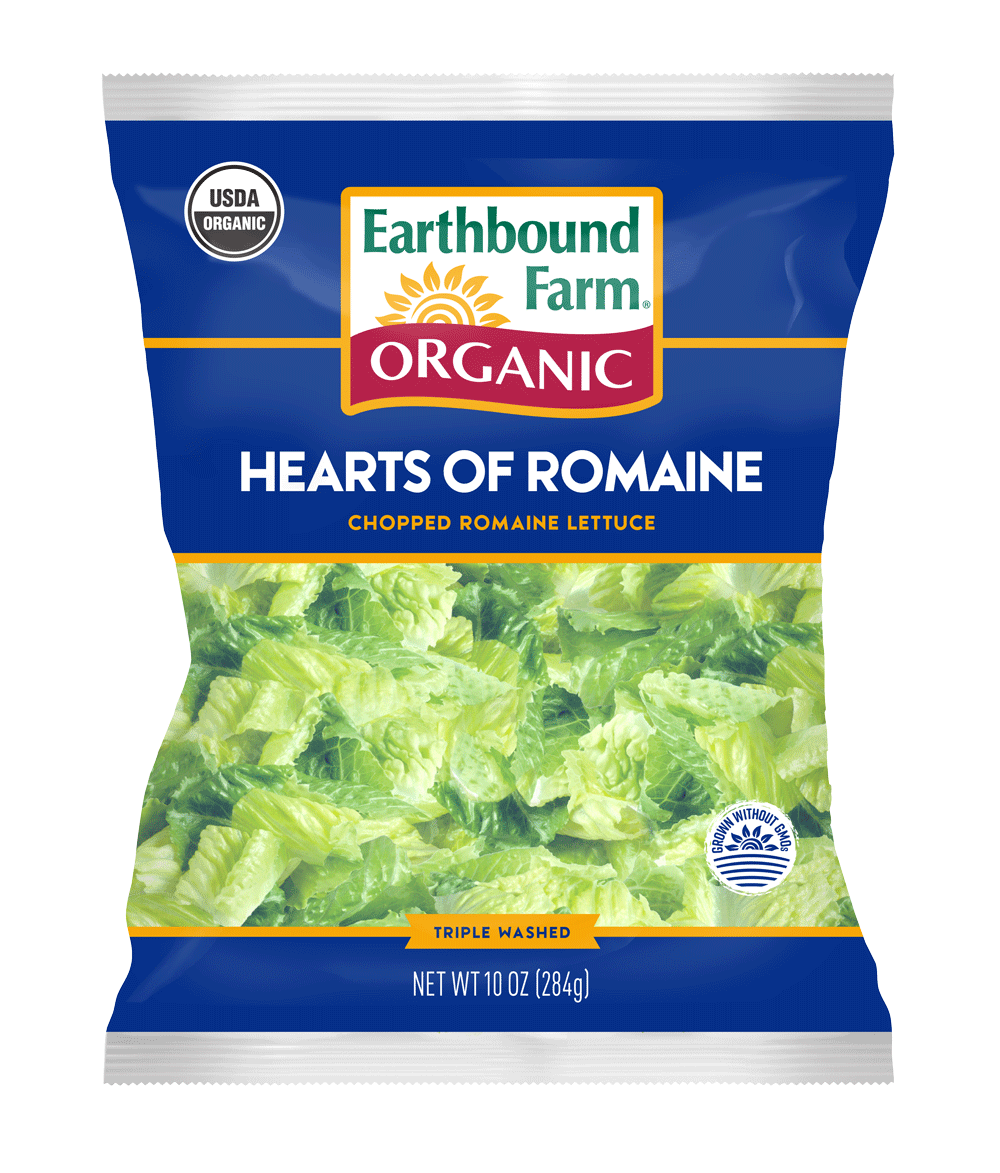
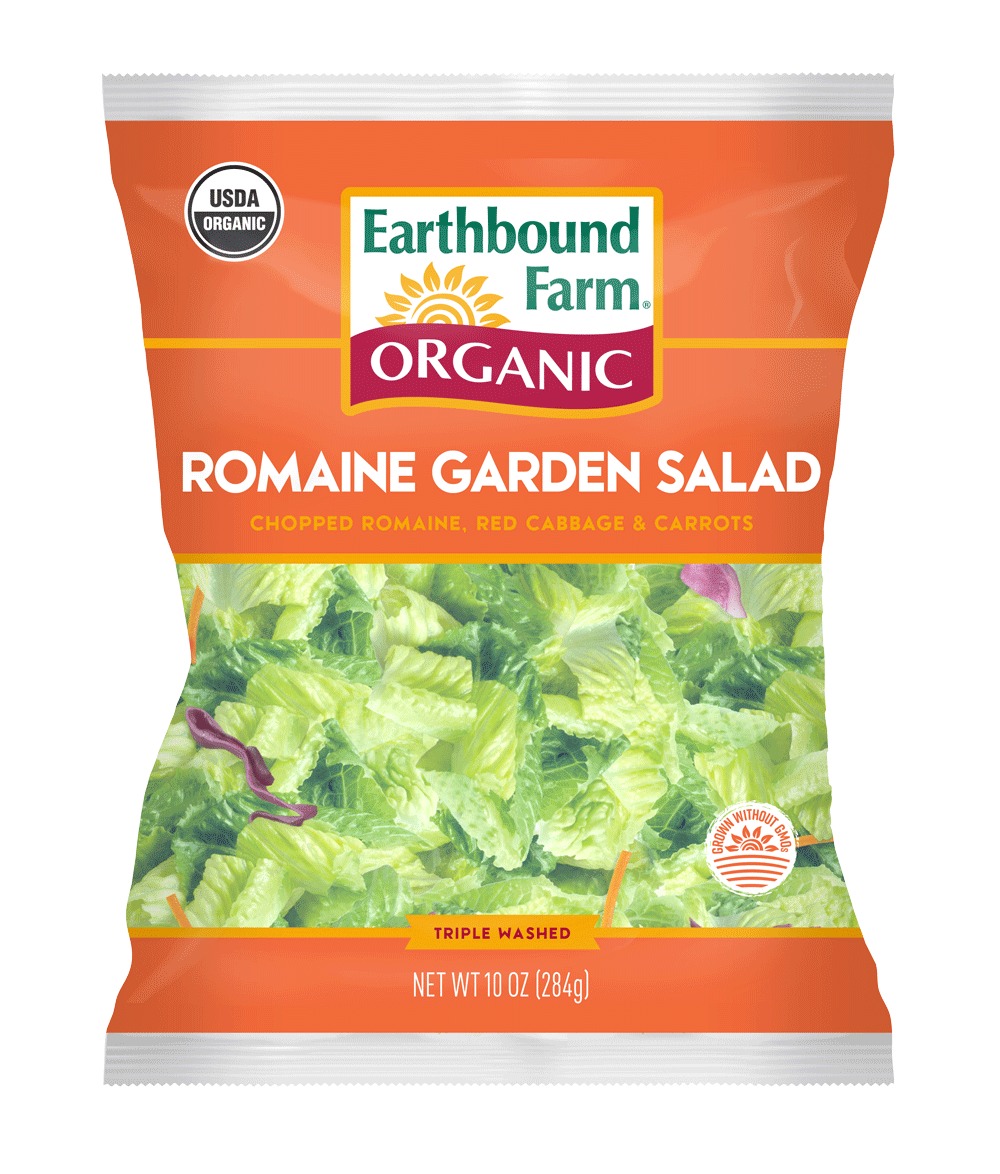
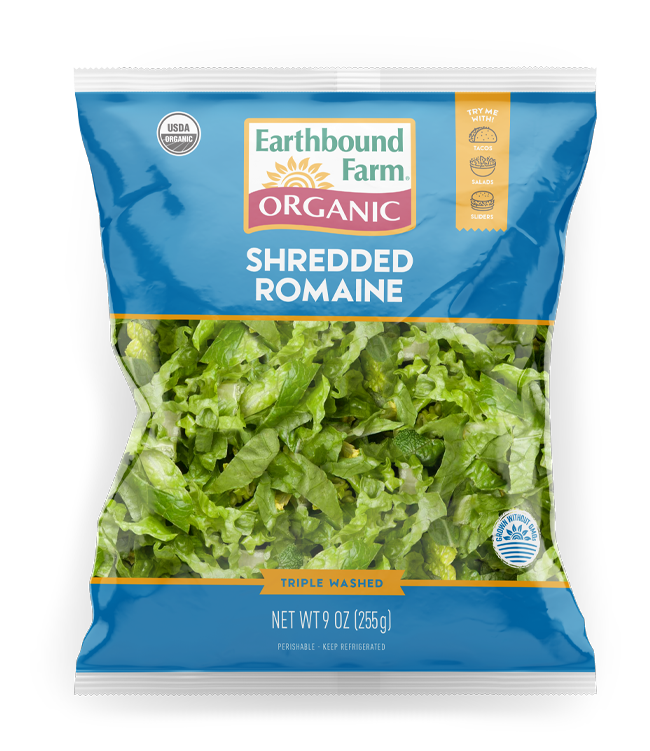
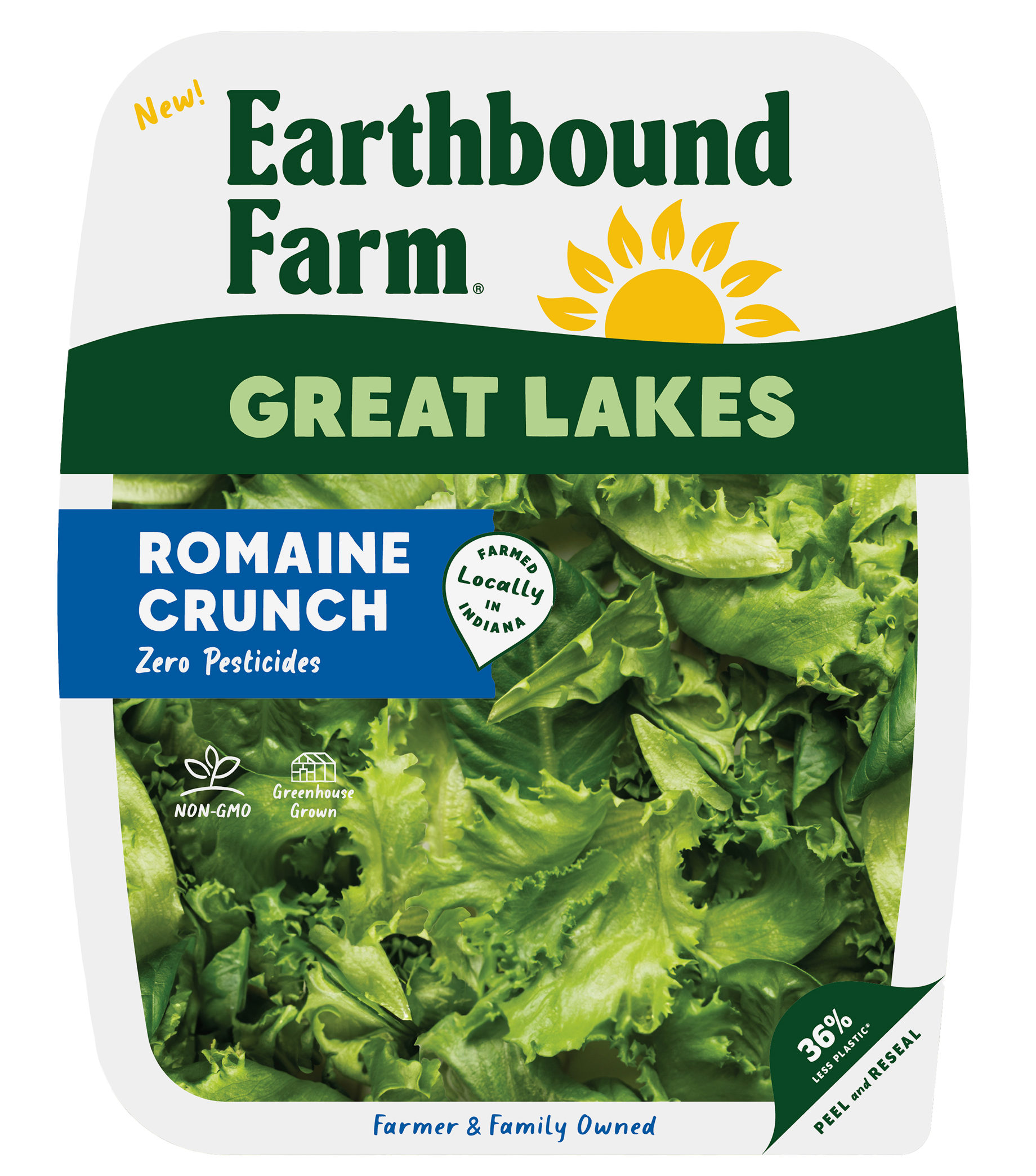
  • Earthbound Farm offers a convenient selection of romaine lettuces, from field-packed Romaine Hearts to pre-washed and trimmed Whole Romaine Heart Leaves, Hearts of Romaine Salad, Baby Romaine, and flavorful romaine salad blends. Mix them up for subtle differences in flavor and texture.

More About Romaine

Recommended Recipes
  • Grilled lettuce? It may sound strange, but try it with romaine hearts the next time you have the grill heated up for a salad with delightful texture and a vibrant, smoky flavor.
  • Julienned Belgian endive and romaine, plus cubes of avocado, are tossed with lemon and olive oil, and seasoned with sea salt. It’s amazing how something so simple can be so delicious!
  • Strawberries are a delightful addition to spring and summer salads, contributing a delicious sweet-tart note and of course, beautiful color.
View all recipes for this ingredient »